
Everything You Need to Know Before Bringing Home Your Puppy
What to Expect from Your Mini Dachshund
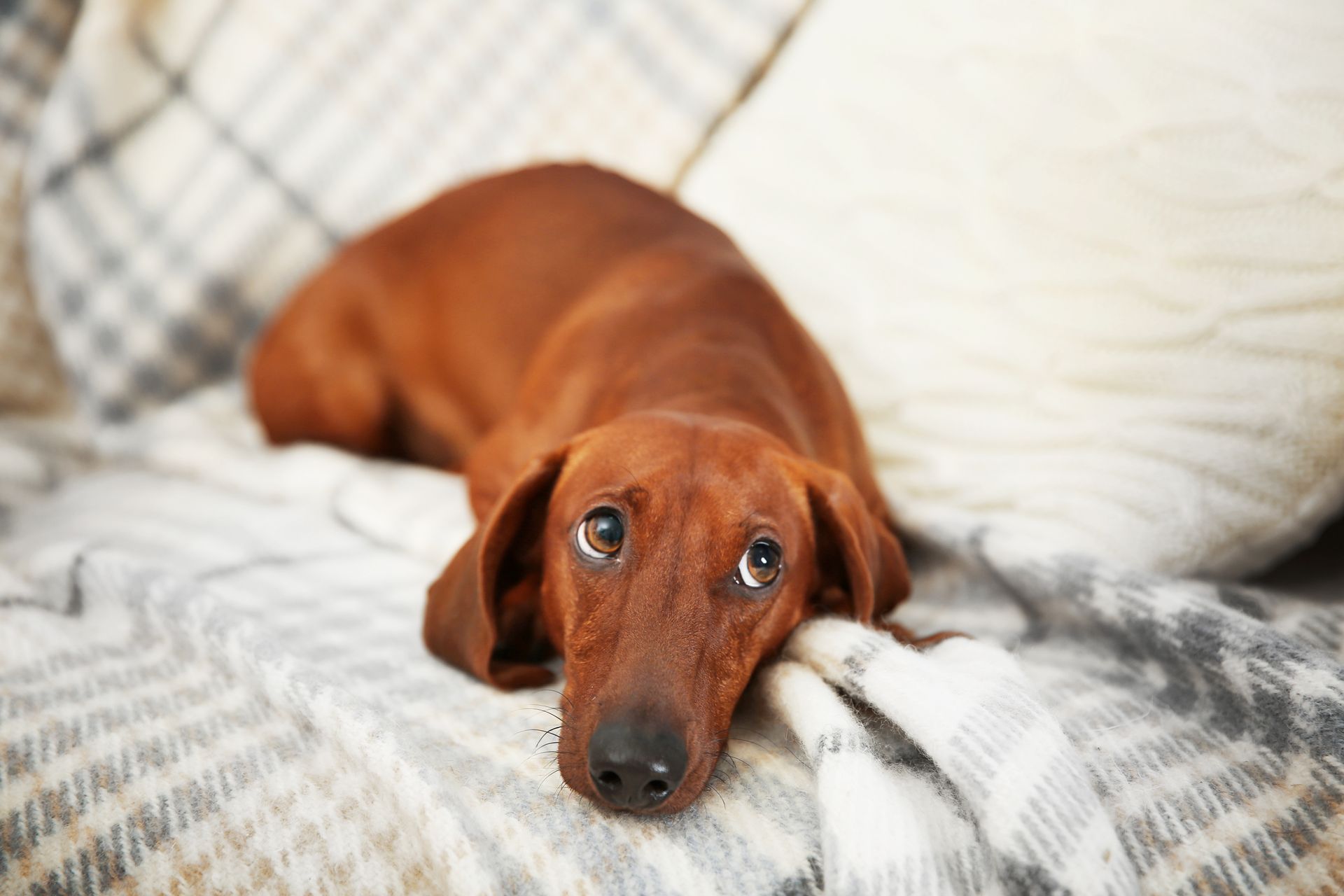
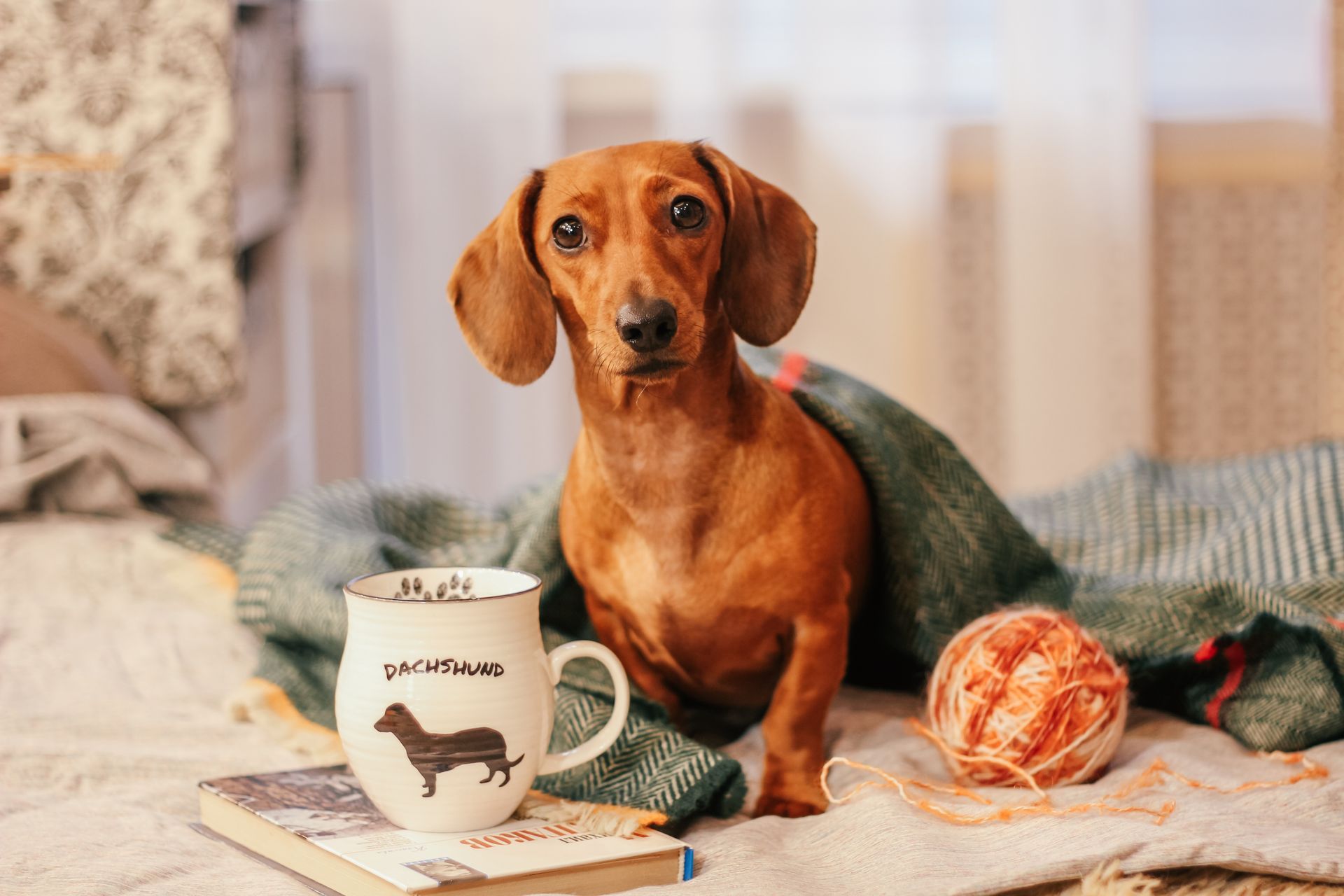
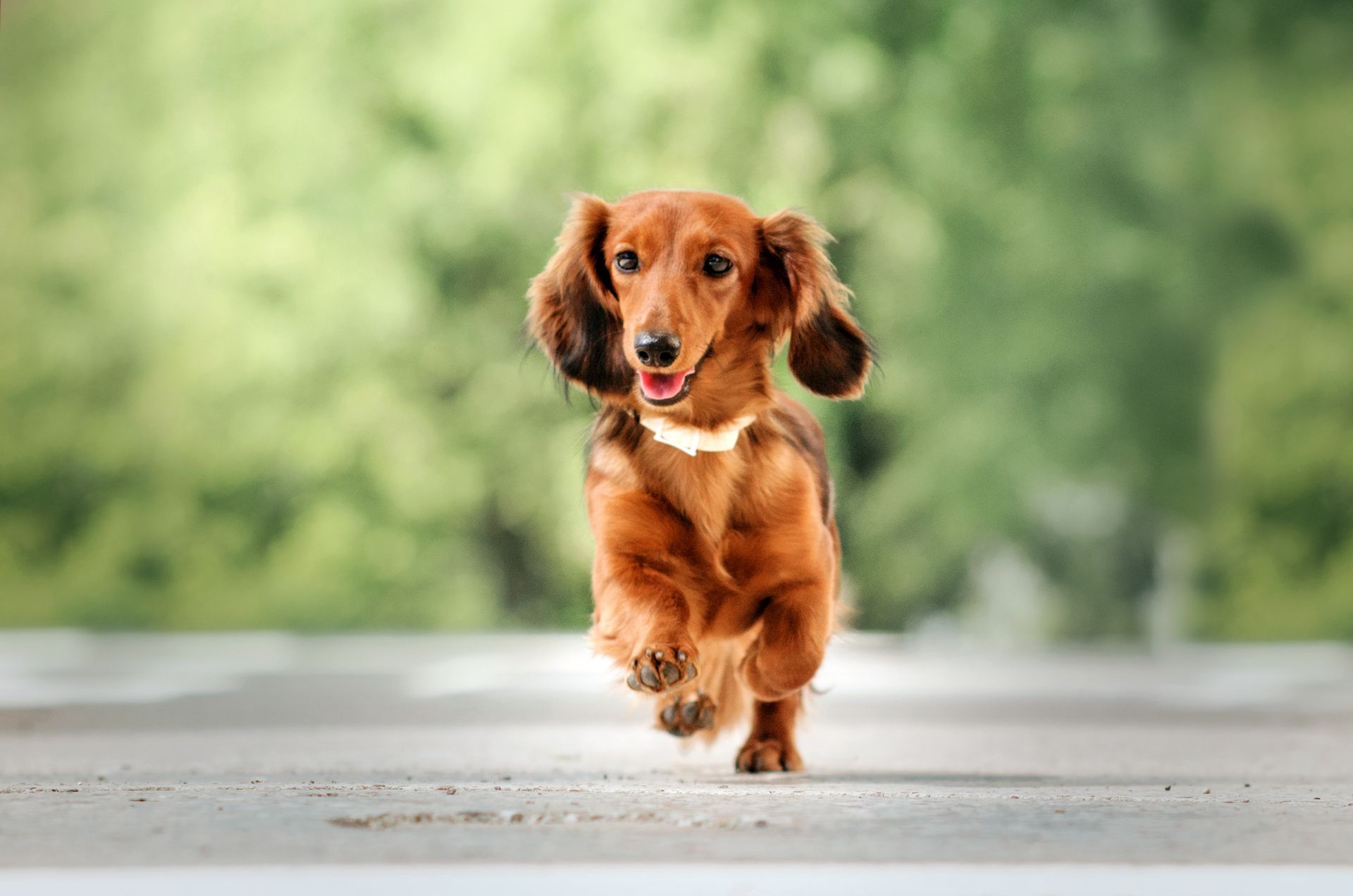
Dachshunds are still capable of hunting, but they mostly serve as the typical family pet these days. Still, they have it in their nature to chase small animals and birds. They’re energetic little guys and will play fetch with tremendous determination. Generally, they never grow past 12 pounds, remaining “miniature’ for their entire lives.
If you do
buy a miniature dachshund, you’ll find yourself in good company. Notable dachshund owners in history include Presidents John F. Kennedy and Grover Cleveland, author E.B. White, artists Pablo Picasso and Andy Warhol, and newspaper mogul William Randolph Hearst.
These dogs tend to live a good long life, typically making it at least 12 to 15 years. So you can be reasonably sure that you’re going to have your furry friend for a good, long time.
Mini Dachshund Dog Breeder
At Family Mini Dachshunds, we’re a
full-service breeder dedicated to breeding the finest
miniature dachshunds in existence. We’re registered to
breed dachshunds with the American Kennel Club. We believe that our process allows us to breed some of the most beautiful small dogs in existence.
Our breeder is Lucy, who has been successful at breeding dachshund puppies for over 15 years. No matter where you live, we can provide you with the highest-quality
miniature dachshund puppy. We know that you’ll fall in love as soon as you lay eyes on your
new puppy.
Miniature dachshunds
have a way of stealing your heart with their adorable features.
Please feel free to browse our website to see the many
miniature dachshunds we have for sale and keep in mind that we’re always
breeding more! There you will find pages for
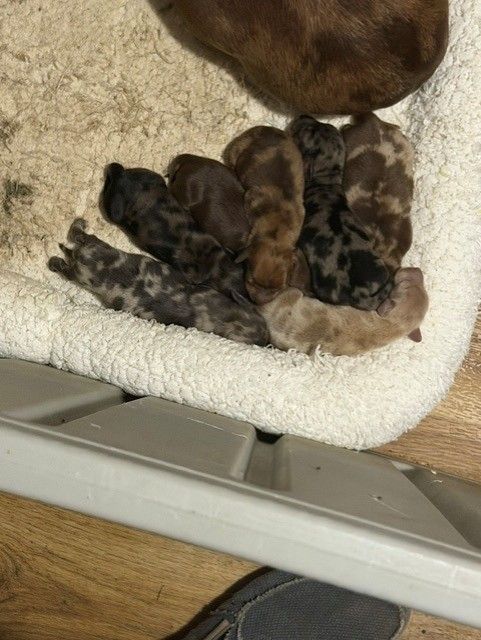
newborn puppies,
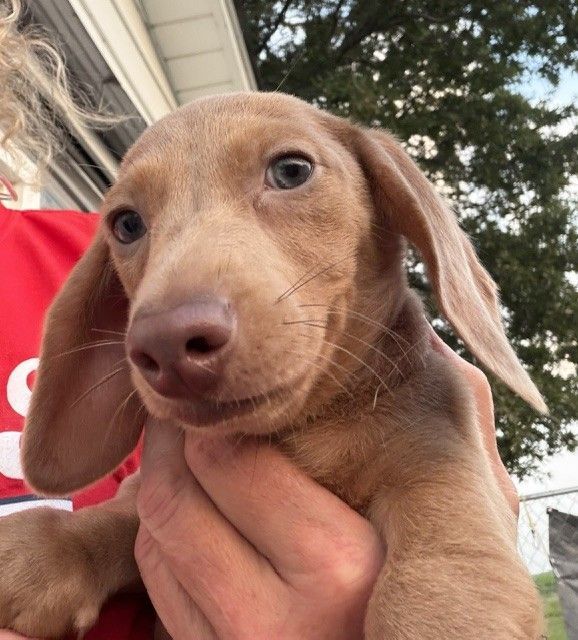
other puppies,
parents, and
future mothers as well. We’ll help you find the perfect addition to your family!

Miniature Dachshund Puppies
Miniature dachshund puppies are the perfect pet, but they didn’t get that way overnight. There’s an interesting history behind how they got to be the way they are today. The word “dachshund” is actually German, and it means “badger dog.” This is because early dachshunds were trained to chase badgers and other burrow-dwelling animals out of their homes so that they could be hunted.
German hunters started to breed
miniature dachshunds in the late 19th century in an effort to hunt smaller animals such as rabbits. By breeding smaller and smaller dogs with each other, they eventually created the
miniature dachshund breed. While they started out as a crafty hunting breed,
these dogs eventually became some of the most beloved pets imaginable.
These
miniature dachshunds first came to the United States in the late 1800s but decreased in popularity due to their German roots during both World Wars. Some took to calling them Badger Dogs, Weiner Dogs, or Liberty Hounds during that time. But their popularity eventually recovered, and they are now among the most popular breeds in America.
Bringing home a new Mini Dachshund puppy is exciting, but a little preparation can make the first few weeks much easier. Dachshunds are smart, affectionate, curious, and sometimes stubborn, so setting up your home and routine ahead of time is especially helpful.
1. Set up a puppy area
Choose a quiet, safe area where your puppy can sleep and relax.
Have ready:
- Properly sized crate
- Comfortable puppy bed or crate mat
- Playpen or baby gates
- Food and water bowls
- A few puppy-safe toys
- Washable blankets
- Puppy pads if you plan to use them
- Enzyme-based cleaner for accidents
Important for Dachshunds: Avoid letting your puppy repeatedly climb stairs or jump on and off furniture. Their long backs make spinal safety particularly important.
2. Puppy-proof your house
Before your puppy arrives, get down at puppy level and look for things they could chew or swallow.
Secure:
- Electrical cords
- Small objects
- Children's toys
- Cleaning supplies
- Medications
- Trash cans
- Houseplants that may be toxic
- Shoes and clothing
- Loose wires
Block access to stairs and high furniture when possible.
3. Buy the right food
Ask the breeder what food the puppy is currently eating and start with that food rather than making an immediate change.
You'll want:
- Quality puppy food appropriate for small breeds
- Small training treats
- Food and water bowls
- Measuring cup
- Food-storage container
If you eventually change foods, transition gradually.
4. Schedule a veterinarian visit
Ideally, have your puppy's first veterinary appointment scheduled before bringing them home.
Bring:
- Vaccination records
- Deworming records
- Microchip information
- Breeder health records
- Current food information
Your veterinarian can establish a vaccination, parasite-prevention and wellness schedule.
5. Prepare for the ride home
Don't plan on simply holding the puppy in someone's lap for the entire drive.
Use:
- A secured travel crate or appropriate puppy restraint
- A towel or washable blanket
- Puppy pads
- Paper towels
- Water
- A small amount of food/treats if appropriate
Expect that the puppy may cry, whine, or be nervous during the trip.
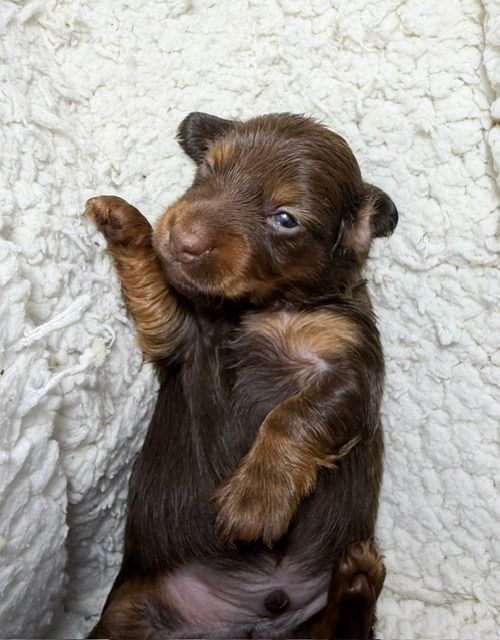
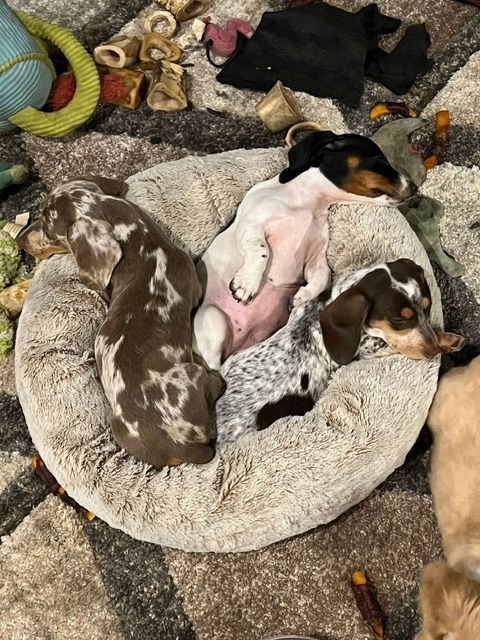
6. Expect a lot of sleeping
Young puppies can sleep 18–20 hours a day. Don't worry if your new puppy spends much of the day sleeping.
Create a routine of:
Potty → eat/drink → play → potty → nap
Consistency will help your puppy settle in much faster.
7. Start potty training immediately
Don't wait several days to begin.
Take your puppy out:
- Immediately after waking
- After eating
- After drinking a lot
- After playing
- Before bedtime
- Frequently throughout the day
Praise your puppy enthusiastically when they potty in the correct place.
Accidents are normal. Never punish a puppy for an accident.
8. Have appropriate toys
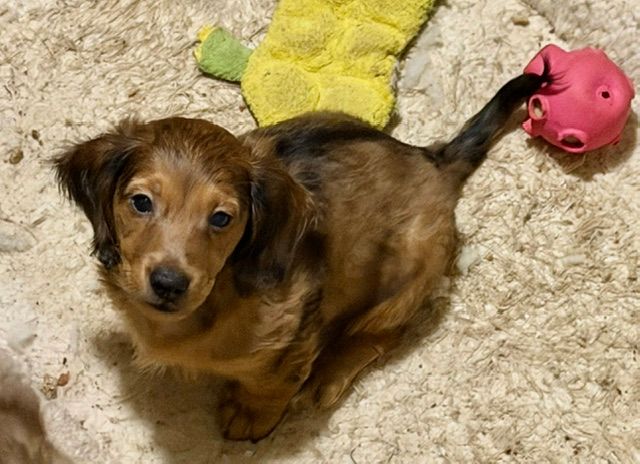
Dachshund puppies love to chew and investigate everything.
Get several types:
- Soft puppy toys
- Rubber chew toys
- Small puzzle/food toys
- Durable teething toys
Avoid toys that can easily break apart or become choking hazards.
9. Start socialization early
Once your veterinarian says it's appropriate, gradually expose your puppy to:
- Different people
- Friendly, vaccinated dogs
- Car rides
- Household noises
- Grooming
- Nail handling
- Being picked up
- Collar and leash
- Different surfaces
Keep new experiences positive and short.

10. Begin basic training
Mini Dachshunds respond well to short, positive training sessions.
Start with:
- Their name
- Come
- Sit
- Stay
- Leave it
- Drop it
- Walking on a leash
- Crate training
Because Dachshunds can be independent, patience and consistency are more effective than punishment.
Most importantly: protect that little back
This is one of the biggest things I'd prepare for with a Mini Dachshund.
Try to minimize:
- Jumping off couches and beds
- Running up and down stairs
- Repeated jumping
- Rough play that twists the back
- Uncontrolled jumping from elevated surfaces
Teach everyone in the household how to
properly support the puppy's chest and rear when picking them up.
New Mini Dachshund Puppy Checklist
Must have before pickup:
☐ Crate
☐ Bed/blankets
☐ Puppy food
☐ Food & water bowls
☐ Collar
☐ ID tag
☐ Harness & leash
☐ Puppy-safe toys
☐ Puppy pads
☐ Enzyme cleaner
☐ Baby gates
☐ Poop bags
☐ Travel crate/carrier
☐ Grooming supplies
☐ Nail trimmer
☐ Veterinarian appointment
☐ Vaccination/health records
☐ Microchip information
One of the best things you can do: Have the puppy's first 7 days planned before you bring them home. That gives you a predictable routine for sleeping, feeding, potty training, playtime, and crate training instead of trying to figure everything out while you're tired and the puppy is adjusting.
If this puppy is coming from Family Mini Dachshunds, I can also put together a complete "Bringing Your Mini Dachshund Puppy Home" guide you could give to new puppy owners, including a first-week schedule, shopping list, potty-training instructions, crate training, feeding schedule, and Dachshund back-safety tips.
Have questions about caring for your new Mini Dachshund? Text 731-313-5959 and let our team help you prepare for your new family member.